As a Black woman, I’m cognizant of the structural racism and sexism implanted within the U.S. healthcare system. As a pregnant-capable person, of the growing limitations surrounding reproductive health. And as a close relative of a recovering alcoholic, of the stigma and inaccessibility of care shrouding some patients, particularly harm reductive care. Life experience and professional engagement have deepened my investment in healthcare justice. As such, I’m focalizing my desire to practice through a bioethics lens with the hope of improving patient safety, health outcomes, and patient autonomy through health law and policy.
But should I? The stakes of health care and bioethics are too high to undertake lightly, the lives of patients too fragile to undertake carelessly. But my background has endowed me with compassion and resilience. With so many of my own identities being marginalized and my household single-parented, unstable, and impoverished, most would have said the odds of making it out of rural Alabama had been structurally stacked against me. However, it turns out that my personal hardships had not crumbled me, but rather reinforced my integrity and chiseled my resilience. Higher education had been my “out,” my path to bettering myself. Now, pursuing legal education is my way “in” to healthcare—my journey to helping others, particularly those marginalized, under-resourced, and without a path to accessible care. In a time of technological automation and unprecedented change, healthcare and bioethics need empathy, resilience, and humanistic thinkers.
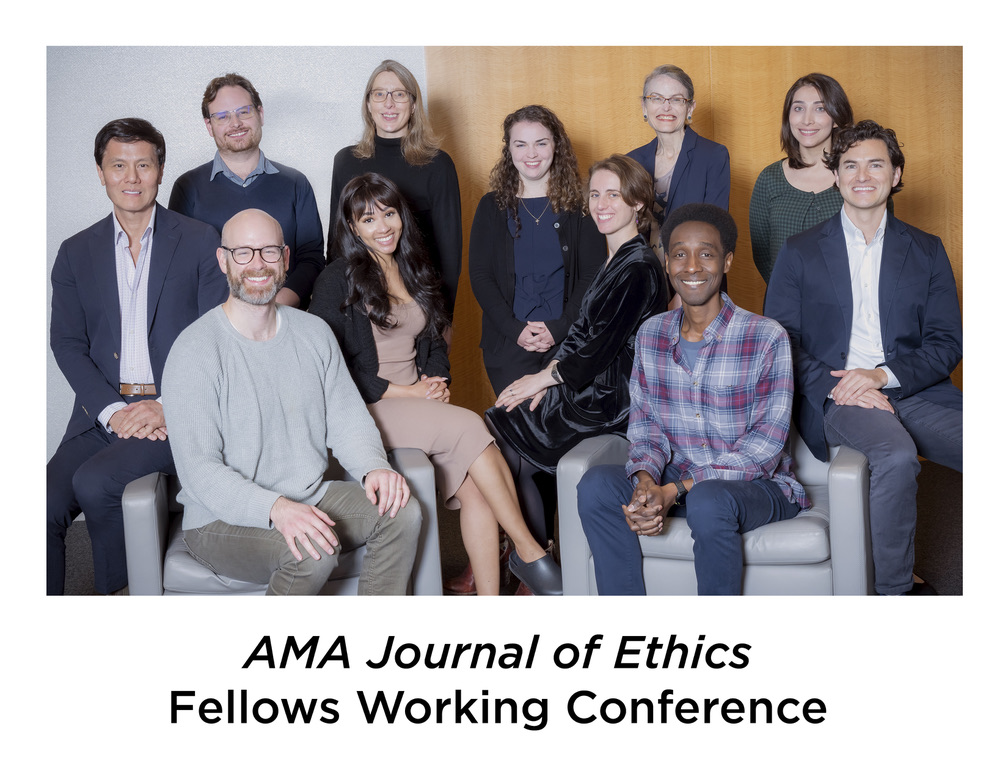
After two degrees in English and several years in publishing, it’s no surprise that I thought my career was destined for direct involvement with written texts of some sort. But it wasn’t until working at the American Medical Association Journal of Ethics that I saw that my life experiences and humanistic training had prepared me for my eventual pursuit of bioethics. Academic study had shown me how literature could reveal insights into societal issues, but editing within the ethical and legal context of healthcare enabled me to recognize the law as its own primary text, primed for seemingly endless interpretations with definitive societal implications. I didn’t need to restrict myself to traditional literary text to extract meaning, and I wasn’t bound to the restrictions of such texts—fixed setting, plot, and characters. My passion for reading novels had persistently driven my publishing and academic pursuits, but I had frequently felt unsatisfied that their textual insights often laid one-dimensional and unseen beyond the fictional page and academic papers. After years of undergraduate and graduate theoretical study, working granted me a pivotal realization: I didn’t want to just read about the human condition, I wanted to improve it, even if only marginally. I wanted to turn close reading into praxis—I wanted to practice.
As most of us have been—or will be—a patient, I believe healthcare law is but a living text, a proxy for the human condition; in my quest to aid in the betterment and fortitude of public health, I look to extract that meaningfulness I sought from literature. I am moving beyond the page, changing the narrative that I had grown used to: “characters” within a text had an immutable ending. Law school is the start of that new chapter.
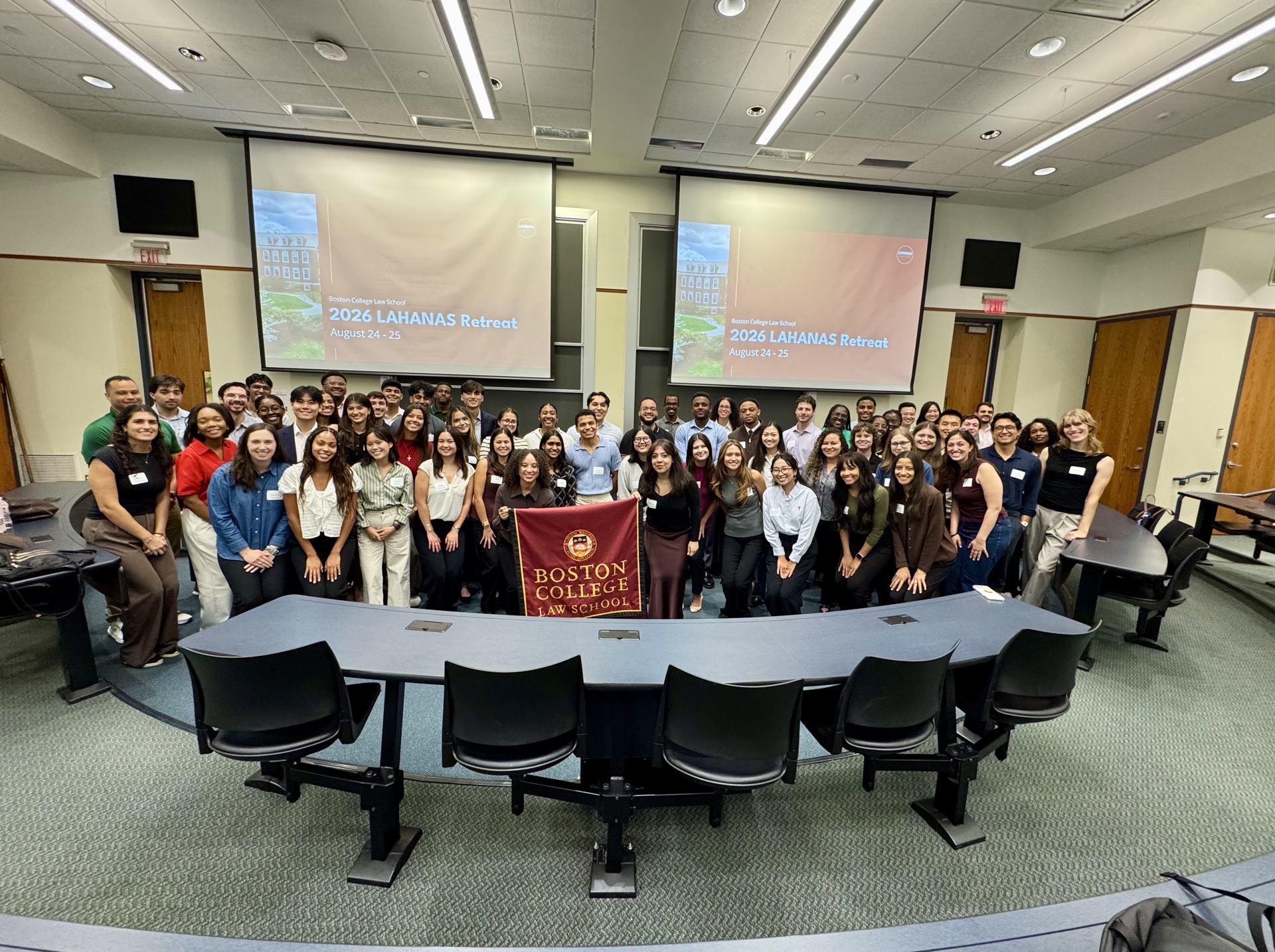
Kree Middleton is a first-year law student and brand new Impact blogger at BC Law. Contact her at middleka@bc.edu.

