There are numerous roads to law school, and no one-size fits all path to a successful legal career. Follow along with our series highlighting BC Law students and how they got here!
Previous entries: Sara Womble (Winston Salem, NC); Elias Massion (Nashville, TN); Samina Gagné (London);Alvin Synarong (Murfreesboro, Tennessee); Ruchita Jain (Edina, Minnesota); Nicole Bauer (Michigan);Carlos Robles-Cruz (Puerto Rico); Taha Din (Naperville, IL); Timothy St. Pierre (Brunswick, Maine); Tobias Wilcken Jørgensen LLM ’25 (Denmark); Leena Assad (Dracut, MA).
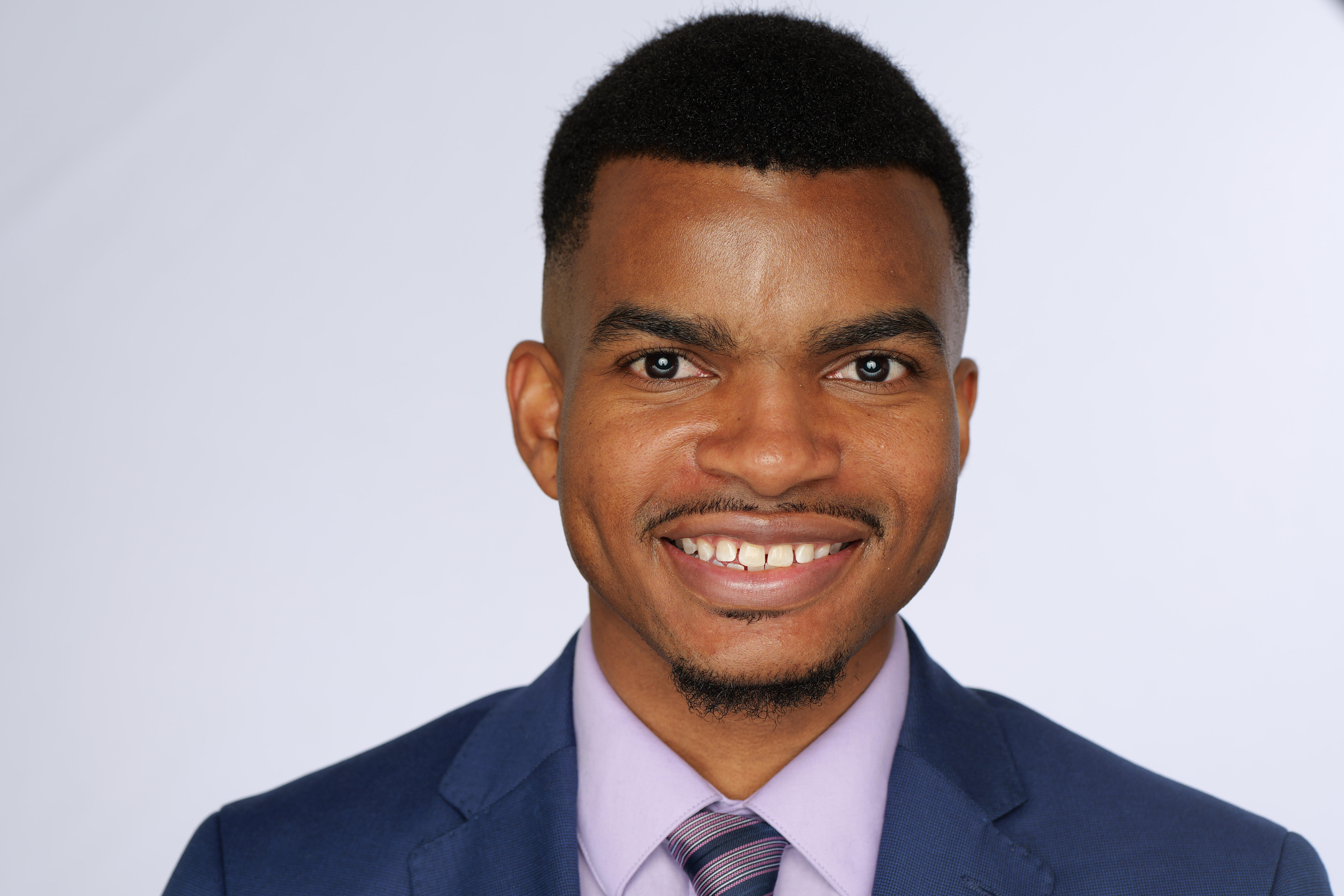
Name: Joshua Williams
Hometown: Providenciales, Turks and Caicos Islands
Educational Background: Bachelor’s degree in marketing from Saint Leo University in 2020; master’s degree in management from Harvard University in 2022
 BC Law: Impact