Boston College Law School gives its students a wide range of classes to take that are taught by some of the best scholars in the field. Yet, while learning about the law in a classroom is crucial to becoming a successful attorney, nothing prepares you for day-to-day practice more than getting hands-on experience before graduating. That’s where BC Law’s clinics come in.
Law students in their second and third years of study can apply for coveted spots in any of the school’s fifteen clinics. No matter what someone’s legal interest is, there’s a clinic for them! To help students better understand the opportunities available to them, the BC Law Impact Blog is highlighting each of these clinics this semester. Here is our interview with the director of the Civil Rights Clinic, Reena Parikh.
Tell us about your clinic!
The Civil Rights Clinic is focused on advocating for the civil rights of low-wage workers, immigrants, and incarcerated persons throughout Massachusetts. We spend a good deal of time thinking critically about the roles of lawyers, clients, and communities in our advocacy efforts. Our docket has both litigation and community advocacy/policy matters on it that support the organizing efforts of grassroots and membership-based organizations.
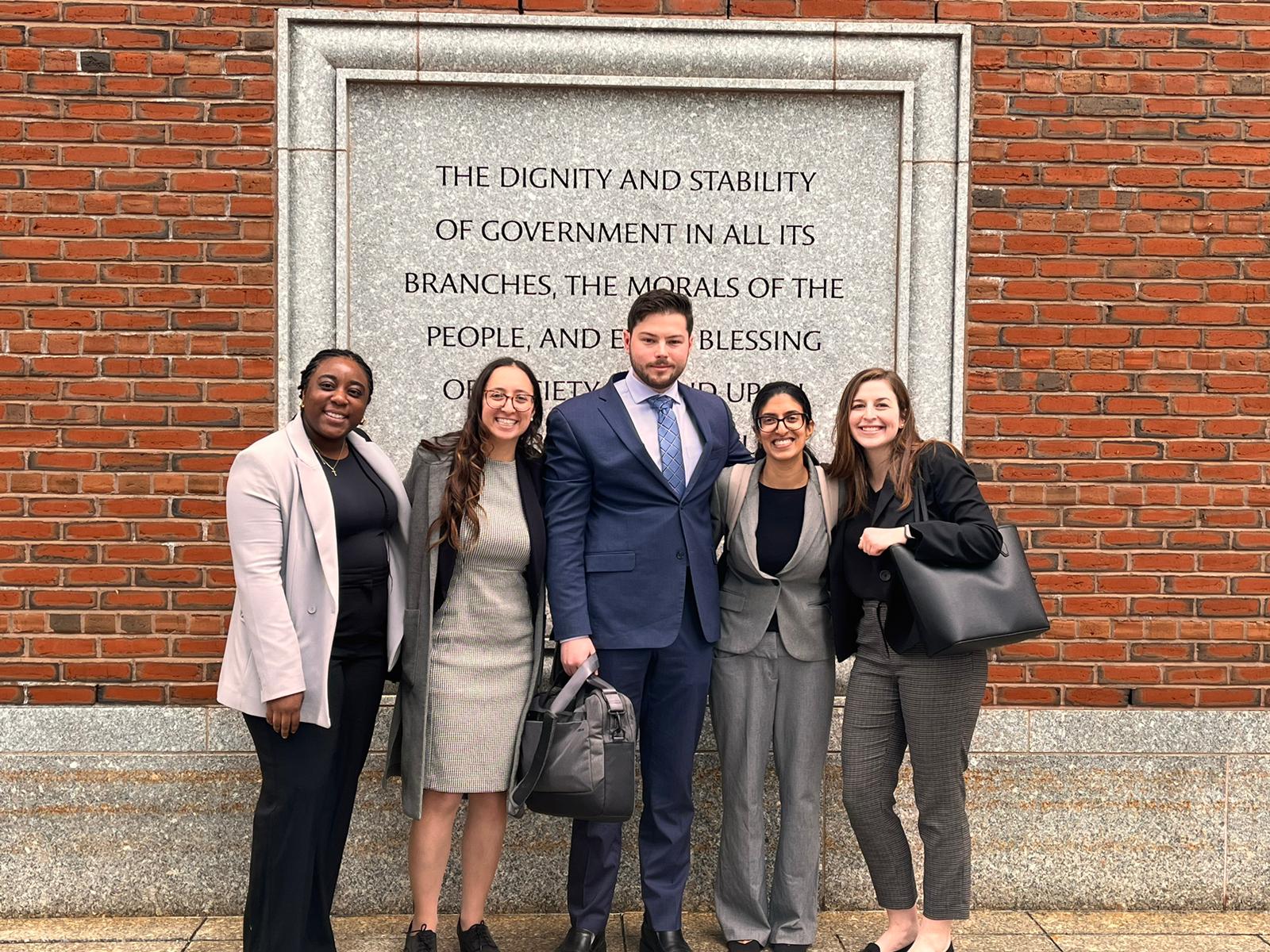
Each student in the clinic is assigned to at least one litigation team and one community advocacy team. On the litigation side, representative matters may include individual, multi-plaintiff, or class-action lawsuits on behalf of people who have experienced exploitation, discrimination, and/or other forms of mistreatment. On the community advocacy side, we provide legal, policy, and other technical assistance to organizational clients, including worker centers and other grassroots organizations, in support of their legislative or other policy goals.
What makes the Civil Rights Clinic unique?
Our clinic is unique for many reasons, but I’ll highlight two of them. The first is that we use a team-based approach to casework that emphasizes collaboration — students work in teams of four as lead counsel on their matters, and often engage with co-counsel and a variety of stakeholders to further their work. When students graduate and are in practice, they often work on large legal teams, and our clinic prepares them to do that.
Second, our clinic recognizes that litigation is not the only (and often not the best) solution to many societal challenges; it’s simply one tool amongst many others, including community education, along with policy, legislative, and media advocacy, that my clinic students learn and practice through their casework. This multi-faceted approach to problem-solving using a movement law framework sets our clinic apart.
Does the Civil Rights Clinic have any fun traditions?
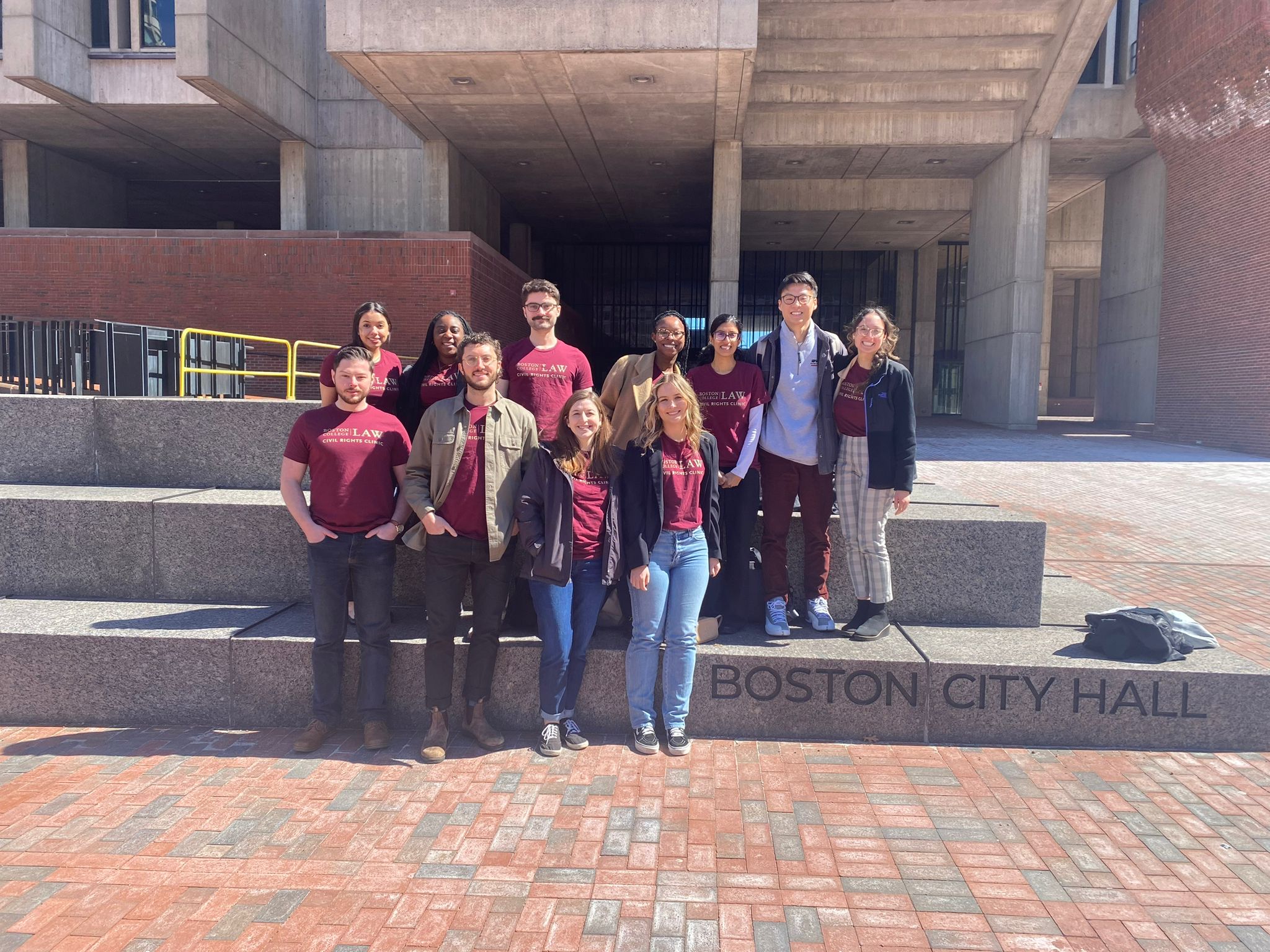
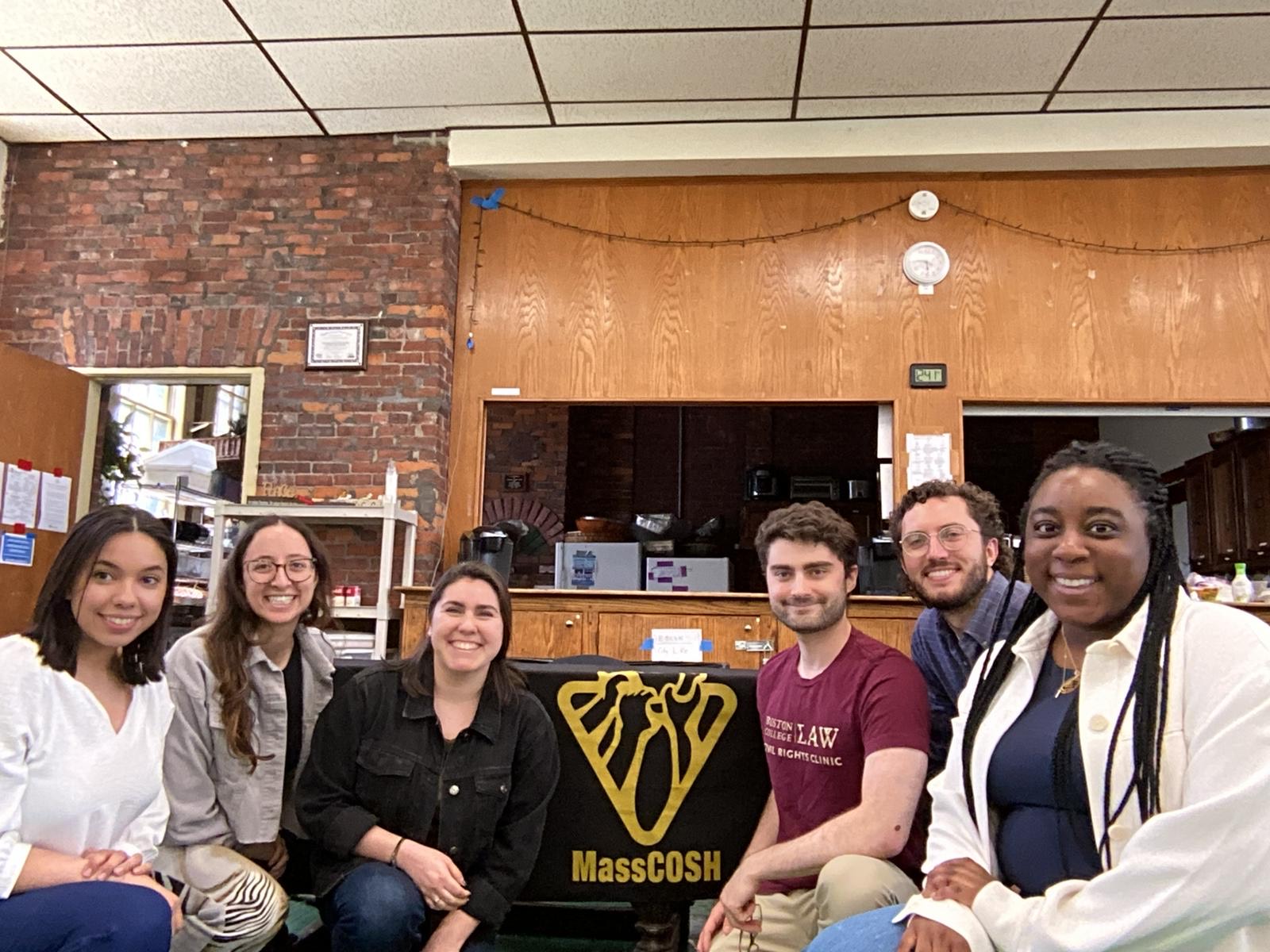
Yes! It’s really important to me that my clinic students form a close bond with each other. Public interest is challenging in so many ways, and having folks to lean on is one way to make it sustainable and enjoyable. I also want to use the clinic to create a strong pipeline of Boston College Law School alums who are passionate about civil rights (regardless of what sector they end up in), and who can support one another professionally and continue engaging with the clinic in the future as co-counsel or community partners. My students often remark that the Civil Rights Clinic is like a family, and there are a few traditions that help create this strong bond: a beginning-of-semester dinner at my house each fall and spring for the new cohort and recent alums; team bonding outings for each litigation and community advocacy team; a celebratory end-of-semester party just for the current clinic cohort; and a listserv that I maintain of all students and alums who have been in the Civil Rights Clinic, where I share publicly available significant case updates and civil rights job opportunities to help us all stay connected. And then there’s my favorite CRC tradition — we start off each supervision meeting with a fun icebreaker question!
What’s one piece of advice you have for students who want to apply for clinics?
My clinic often has more 2Ls than 3Ls in it, and it’s a great experience for everyone, so my advice would be that 2Ls should be encouraged to apply to clinics. Doing a clinic earlier in your law school career rather than later will be a huge confidence booster, will help you develop strong professional habits early on, and will help you in your applications for summer internships and post-grad job opportunities. Your clinical professor will also often serve as a close mentor to you, and developing that relationship sooner can be really formative!
Tess Halpern is a third-year student and president of the Impact blog. Contact her at halperte@bc.edu.
 BC Law: Impact